Cheese Wheels, Roadkill Chili, and the Volunteer Militia Guarding America's Strangest Weekends
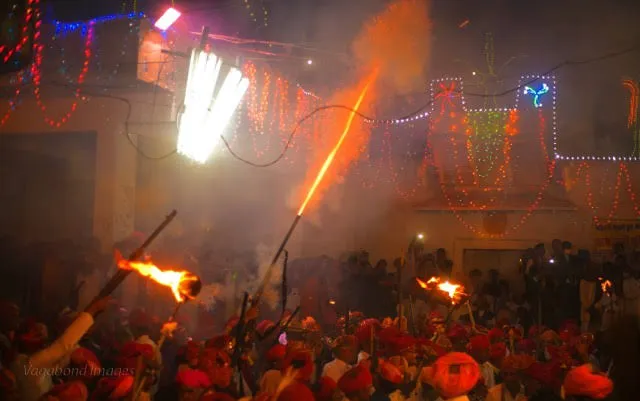
Photo: Justinmenaria181999, CC BY-SA 4.0, via Wikimedia Commons
Every town has a thing. Most towns have a boring thing — a harvest parade, a chili cook-off, a Fourth of July where the fireworks start forty minutes late because Dale couldn't find the extension cord. But a select group of American municipalities looked at the concept of 'community tradition' and said, 'What if ours involved hurling animal remains down a hill?'
The Festival-Industrial Complex, Population 847
Consider the annual world championship of cheese rolling, an event Americans imported from England the way you'd import a very dangerous pet. Or the roadkill cook-off tradition that several rural communities have embraced with a straight face and a commercial kitchen permit. Or the town — and there is always a town — that fights an organized civil war with watermelons every summer, leaving streets slick with fruit pulp and teenagers drenched in juice that will smell faintly of regret until October.
The people who run these events are not marketers. They are not content creators. They are a retired schoolteacher named Linda with a clipboard and a laminated liability waiver that has never once held up in a court of law. Linda is the entire infrastructure. Linda is the festival.
Why Tiny Towns Guard Absurdity Like State Secrets
Here's the thing outsiders never understand: these festivals aren't tourism plays. They're identity plays. When your town has no industry, no college, and one stoplight that's been blinking yellow since the Clinton administration, the annual ritual of watching grown men chase a dairy product down a 45-degree incline isn't a quirky event. It's proof the town exists on purpose.
That's why these communities treat their traditions with the security posture of a defense contractor. Ask about the origin of the roadkill cook-off and you'll get three conflicting stories, all delivered with absolute conviction, none of them true. The ambiguity is the point. A tradition with a documented founding date is just an event. A tradition with murky, mythologized origins is a religion.
What Happens When Linda's Festival Meets the Algorithm
And then, one year, somebody films it. The cheese chase, the watermelon riot, the man in the patriotic overalls eating something questionable off a paper plate. The video hits two million views by Tuesday. By Friday, a TikTok creator with a ring light and a rental car is standing in the town square asking locals if they're 'the watermelon people.'
The town's reaction is never what the internet expects. There's no merchandising blitz, no sponsorships, no pivot to video. Usually there's a town meeting. Sometimes there's a vote. Occasionally the festival gets a gate and a $5 entry fee, which the locals will complain about for a decade. More often than not, the town absorbs the attention the way a sponge absorbs a spill — completely, and then it dries out and goes back to normal.
Because the volunteers who run these things — Linda and her clipboard militia — understand something the engagement economy doesn't: the festival was never for the audience. It was for the town. The internet showing up is a weather event, not a business model.
The Stubborn Math of Keeping a Weird Thing Alive
Running one of these festivals is a financial and logistical nightmare. Insurance is expensive. Permits are worse. The year the watermelon war got out of hand, the town spent more on cleanup than the entire annual road budget. And yet every spring, the same twelve people show up to the same meeting in the same church basement and vote to do it all again.
There's something almost heroic in that stubbornness. In an era when every experience is optimized, sponsored, and content-captured, these festivals are defiantly un-optimized. Nobody's growing a newsletter. Nobody's building a brand. The roadkill cook-off has no roadmap. It has a cooler, a folding table, and a health inspector who has agreed to avert his eyes as a professional courtesy.
Long Live the Fireflies, Upside Down or Otherwise
The strange lights that flicker over these towns every summer — the ones that make no sense to outsiders, that glow upside down and backwards from how a 'real' festival is supposed to work — survive precisely because nobody tried to make them make sense.
So the next time you see a video of forty adults chasing a cheese wheel off a cliff in rural America, resist the urge to file it under 'weird internet.' File it under 'the last unbranded thing.' A town of 900 people decided, decades ago, that this is who they are — and every year, against all actuarial logic, they show up to prove it.
Linda would want you to know the waiver is still not legally binding. Linda would also want you to know the festival is next Saturday, rain or shine, and yes, you can bring a chair.