The Porcelain Bureau: How Gas-Station Bathrooms Became America's Most Trusted Travel Guide
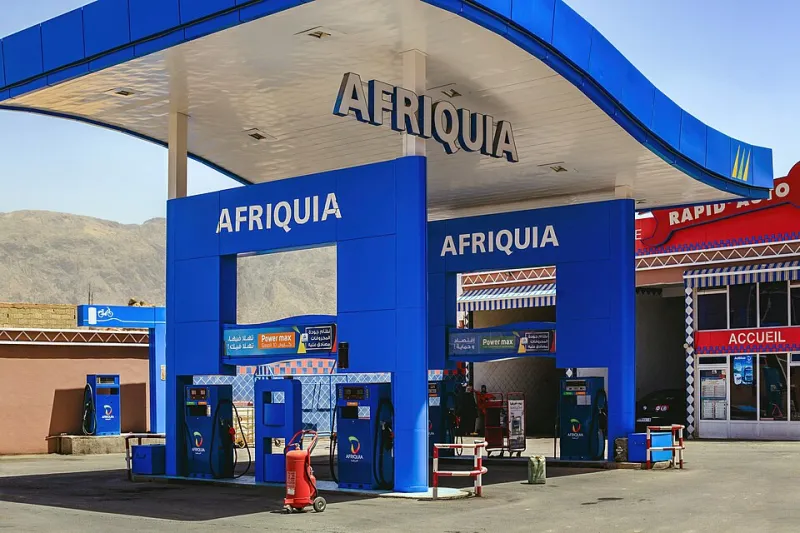
Photo: Roy Egloff, CC BY-SA 4.0, via Wikimedia Commons
There is a special kind of American trust reserved for a stranger who says, without prompting, that the bathroom at exit 143 is clean but the coffee tastes like a punished parking lot. You do not know this person. You will never meet this person. But when you are three hours into a drive, low on fuel and lower on patience, their review feels like a letter from a wiser sibling.
Welcome to the weirdly serious world of gas-station bathroom critics, rest-stop reviewers, and convenience-store coffee auditors. These are people who have decided that the most mundane infrastructure in America deserves a paper trail. They rate soap dispensers. They note door locks. They photograph signs that say employees must wash hands, then gently suggest that perhaps everyone should. They are not saving lives, exactly, but they are saving someone from a regrettable decision in rural Ohio, and that counts for something.
The Review Is Not Really About the Bathroom
On the surface, a gas-station bathroom review sounds like a joke with a punchline about smell. And yes, there are smells. But the best reviewers treat the subject like a public service announcement wrapped in a dad joke. They mention lighting, ventilation, whether the trash can is a suggestion or a dare, and whether the floor has achieved a texture best described as interpretive. They also mention safety, hours, and whether you need to buy something before asking for the key.
That last detail matters. A bathroom review is never just a bathroom review. It is a tiny field report about a place. Is the store well lit? Is the clerk awake? Is there a weirdly aggressive pothole in the parking lot? Is the coffee fresh, or has it been sitting since the previous administration? The reviewers answer questions that official travel maps do not even think to ask.
A Spreadsheet With a Sense of Humor
The subculture has its own folk heroes: the person who maintains a color-coded map of clean restrooms along I-80, the reviewer who assigns letter grades to hand dryers, the traveler who leaves a note about the best exit for a 2 a.m. stretch break. Some reviews are one line. Some are essays. Some read like Yelp had a baby with a health inspection and that baby was raised by truckers.
What makes it work is the tone. These reviewers are not pretending to be Michelin inspectors. They are pretending to be your most practical friend. A five-star rating might come with the note that the bathroom was spotless, the soap smelled like a fancy hotel, and the clerk nodded with the quiet dignity of someone who understands the assignment. A one-star rating might simply say: keep driving, and pray for a Buc-ee's.
Buc-ee's, of course, functions as the platinum standard in this universe. Its bathrooms are discussed with the reverence usually reserved for cathedrals, and not entirely without reason. When a chain becomes a benchmark, the rest of the interstate has something to aspire to. The Porcelain Bureau does not have a headquarters, but if it did, there would probably be a plaque.
The Michelin Problem
The strangest part is how seriously people take it. A broken hand dryer can cost a location half a star. A clean floor can earn a bonus point. A confusing sink setup can inspire a paragraph of existential complaint. The reviews are subjective, but they are also consistent. Over time, readers learn which reviewers share their standards. One person cares about soap. Another cares about parking. A third cares about whether the bathroom door has a hook that can hold a bag without surrendering to gravity.
That consistency is what turns a joke into a resource. In 2026, the average road trip is still held together by hope, snacks, and a phone battery. Official rest-stop listings tell you where a stop exists. Reviewers tell you whether you want to stop there. That is a different service, and arguably a more honest one.
Why We Trust Strangers With Our Bladders
Part of the appeal is that the stakes are low and the honesty is high. Nobody is getting sponsored to say a restroom smells like lemon pledge and regret. The reviews feel unpolished because they are unpolished. They are written by people who were there, in the moment, possibly while waiting for a hand dryer to finish its little lie.
There is also a civic pleasure in it. Rating a gas station bathroom is a small act of documentation. It says: I was here, it was like this, and now you know. In a country held together by highways, that is a form of public infrastructure all its own. The official map gives you exits. The reviewers give you expectations.
So the next time you see a review that begins with the words clean enough and ends with a warning about the coffee, do not laugh too hard. Somewhere out there, a traveler is making a better decision because of it. And somewhere else, a hand dryer is being judged. It deserves it.