Cry Now, Pay Later: The Surprisingly Lucrative Business of Mourning People Who Never Existed
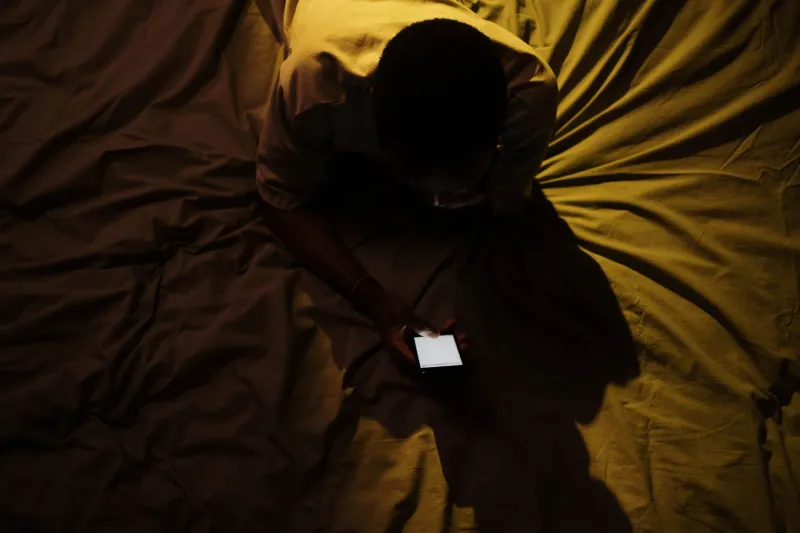
Let's set the scene. It's a Tuesday night. You're on your couch, emotionally unprepared. A beloved character on your favorite show takes a bullet, gets swallowed by a portal, or simply gets written off because the actor wanted to do something more prestigious. You feel a sharp, genuine pang of loss. You open Twitter. Thousands of strangers are also devastated. Someone has already made a tribute video set to a Phoebe Bridgers song. A limited-edition memorial pin is available for pre-order. Your grief is valid. Your grief is also, somehow, a revenue stream.
Welcome to the grief economy — the booming, surprisingly sophisticated market built entirely around helping you mourn characters, storylines, and performers who exist primarily in pixels and page margins.
Feelings: Now Available in Collectible Form
Here's the thing about fictional grief that nobody really wants to admit: it's completely real. Psychologists have a name for the bonds people form with characters and public figures they've never met. Parasocial relationships are legitimate emotional attachments, and when those attachments get severed — whether by a showrunner's dramatic decision or an actor's actual passing — the loss registers in the brain with uncomfortable sincerity.
Entertainment companies figured this out approximately five minutes after the internet gave fans a place to congregate. The math is not complicated. Grief is an emotion that desperately wants an outlet. Merchandise is an outlet. Ergo: grief merchandise.
After major character deaths in franchises like Game of Thrones, The Walking Dead, and the Marvel Cinematic Universe, official merchandise drops have timed themselves with suspicious precision to the peak of fan mourning. Limited-edition prints. Memorial variant comic covers. Commemorative Funko Pops of characters in their final iconic moments. The message, delivered with a gentle hand on your shoulder, is essentially: We know you're hurting. Here's a way to hold onto that hurt for $34.99 plus shipping.
The Parasocial Funeral Has Logged On
Online mourning rituals for fictional characters have evolved into something genuinely elaborate. Fan communities on Reddit, Tumblr, and TikTok organize what can only be described as digital wakes — threads where people share their favorite moments, post fan art, write fictional eulogies, and process the kind of grief that their offline friends would absolutely not understand.
And then there are the actual actors. When a beloved performer dies, the layers compound into something almost dizzying. Fans aren't just grieving the person — they're grieving the character, the future of the character, the performances that would never happen, and the specific comfort that person's presence brought to their lives. The passing of someone like Chadwick Boseman or Robin Williams doesn't just generate mourning — it generates a sustained, monetizable memorial ecosystem that can run for years.
Streaming platforms quietly boost the deceased's catalog. Tribute documentaries get greenlit. Anniversary retrospectives appear on schedule. None of this is cynical exactly — people genuinely want to revisit and celebrate — but the machinery of it is worth examining with at least one eyebrow raised.
The Merchandise Knows What It's Doing
There's a specific type of product that exists almost exclusively to convert emotional vulnerability into commerce, and it has gotten extremely good at its job. Sympathy candles printed with a character's face. Enamel pins shaped like their signature item. Throw blankets featuring their most-quoted line. These aren't random gifts. They are precision-engineered objects designed to make grief feel productive and purchasable.
Etsy is basically a secondary grief economy unto itself. Independent creators — who are, to be fair, also often grieving fans themselves — crank out tribute art, memorial prints, and commemorative jewelry within hours of a major fictional death or real-world loss. The speed is both impressive and slightly unsettling. The market responds to grief the way a vending machine responds to a dollar bill: immediately and without judgment.
What's interesting is that buyers don't feel manipulated, at least not in the moment. Purchasing something tangible in response to an intangible loss follows a pretty ancient human logic. We build monuments. We wear black. We buy the pin. The form changes; the impulse doesn't.
When the Grief Is the Content
Social platforms have quietly built entire content ecosystems around communal mourning. Reaction videos to shocking character deaths rack up millions of views. "Tribute compilations" trend for days. The algorithm, which has never once felt a human emotion, nonetheless knows exactly how to surface grief content at peak emotional saturation.
This creates a feedback loop that's almost elegant in its ruthlessness. You feel sad. You watch tribute content. The platform shows you more tribute content. You watch someone else cry about the same thing you're crying about, and somehow that helps. Advertisers pay premium rates for the attention of emotionally engaged audiences. Your grief becomes someone's CPM metric.
Creators who specialize in fandom content have learned to treat major fictional deaths as content events — pre-prepared reaction videos, deep-dive analysis threads, emotional retrospectives. The character isn't even cold before the content calendar has been updated.
Is Any of This Bad, Actually?
Here's where it gets philosophically murky. Because the grief is real. The community formed around it is real. The comfort people derive from shared mourning — even over fictional loss — is genuinely meaningful. Studies on parasocial grief suggest that processing these losses publicly can help people work through larger, harder-to-articulate feelings about real loss in their lives. A character's death can be a safe container for grief that has nowhere else to go.
So when a company sells you a memorial candle and you feel slightly better after buying it, was that a manipulation or a service? When a streaming platform surfaces a tribute documentary and you spend a healing Sunday afternoon watching it, is that exploitation or comfort?
Probably both. Almost definitely both.
The grief economy works because it's meeting a need that is entirely genuine, using methods that are entirely calculated, and delivering outcomes that are entirely mixed. The feelings are real. The products are real. The transaction is real. The character was never real, and that's the part that makes the whole thing so wonderfully, specifically strange.
The Takeaway, Such As It Is
If you've ever cried at a fictional funeral, bought a tribute shirt, or spent forty-five minutes in a Reddit thread processing your feelings about a character who was written out of a show, you're not broken. You're also not alone — you're part of a massive, monetized community of people who form genuine attachments to imaginary people and then have to figure out what to do when those people disappear.
The grief economy will keep growing because the supply of beloved fictional characters is theoretically infinite, and so, it turns out, is the human capacity to get emotionally wrecked by them. Someone, somewhere, is already designing the memorial merchandise for a character who hasn't died yet.
The algorithm is ready. The Etsy shop is prepped. Your feelings are pre-approved.