Forty-Seven Billion Dollars Worth of Not Being Alone, Technically
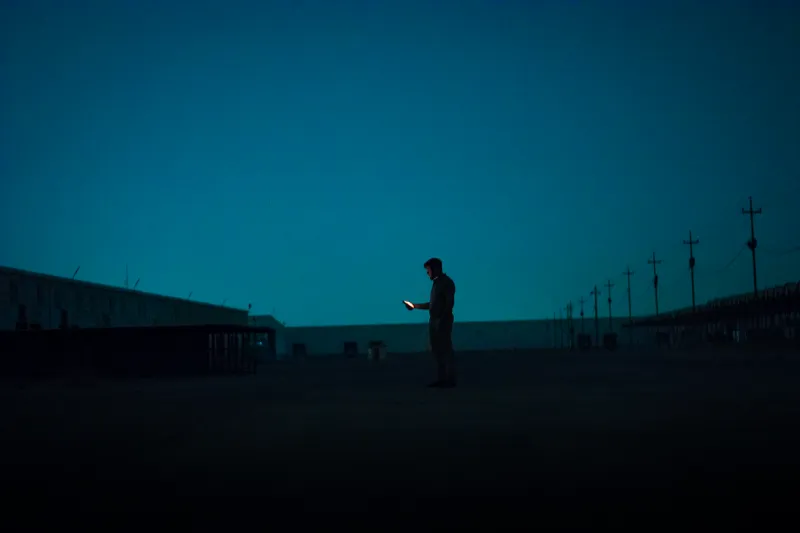
Let's get one thing straight before we go any further: nobody is selling you loneliness. That would be rude. What they're selling you is connection. Curated, optimized, frictionless, algorithmically warmed connection that costs anywhere from free (plus your data and dignity) to $29.99 a month for a premium tier that adds a little animated heart to your AI companion's responses.
The number that keeps showing up in market research — $47 billion, give or take, spent last year on what analysts diplomatically call "digital companionship infrastructure" — sounds fake. It isn't. That figure covers everything from social apps engineered for maximum scroll paralysis to subscription-based chatbot friends to the ambient background noise apps people run at night so their apartments feel less like sensory deprivation chambers. It's a big, weird, sprawling economy built entirely on the premise that humans are lonely, technology partially caused it, and technology would very much like to charge you a monthly fee to partially fix it.
If that sounds like a protection racket with better UX, you are not entirely wrong.
The Architecture of Comfortable Isolation
Here's the thing about loneliness that the industry understood before most of us did: it's not actually about being alone. You can be alone and feel completely fine. You can be surrounded by people at a party and feel like you're watching your own life through a foggy window. Loneliness is about perceived disconnection — the gap between the social contact you have and the social contact you feel like you need.
That gap? Enormously exploitable.
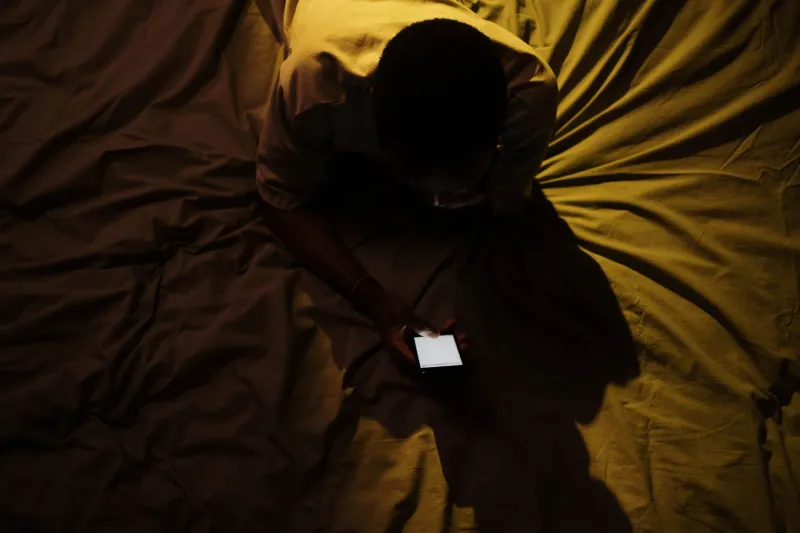
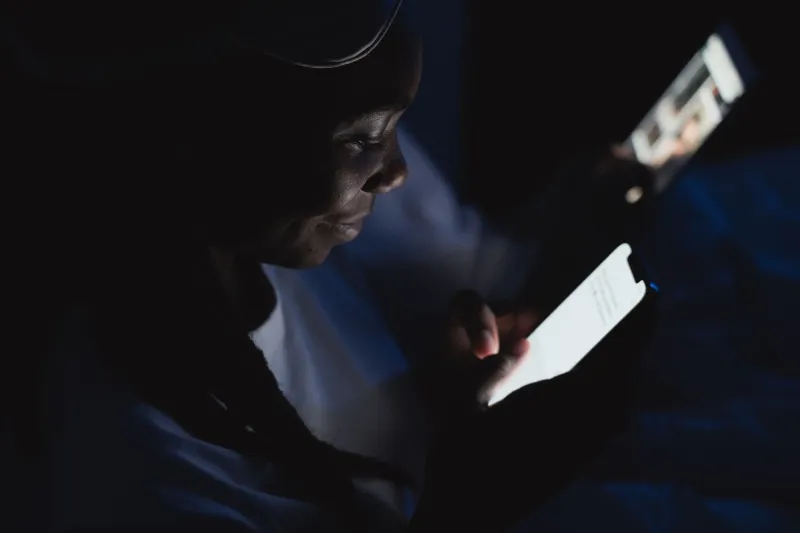
The apps and platforms that dominate this space aren't trying to close the gap. Closing the gap would mean you'd stop using the product. What they're doing instead is something far more elegant and considerably more sinister: they make the gap feel intentional. Comfortable. Even aspirational. Scrolling alone at midnight isn't isolation — it's your "me time." Watching a parasocial streamer talk at a camera for six hours isn't a substitute for friendship — it's content consumption, a hobby, a whole personality.
The framing does a lot of heavy lifting here. And the framing cost someone a lot of money to develop.
The Parasocial Economy Is Not Playing Around
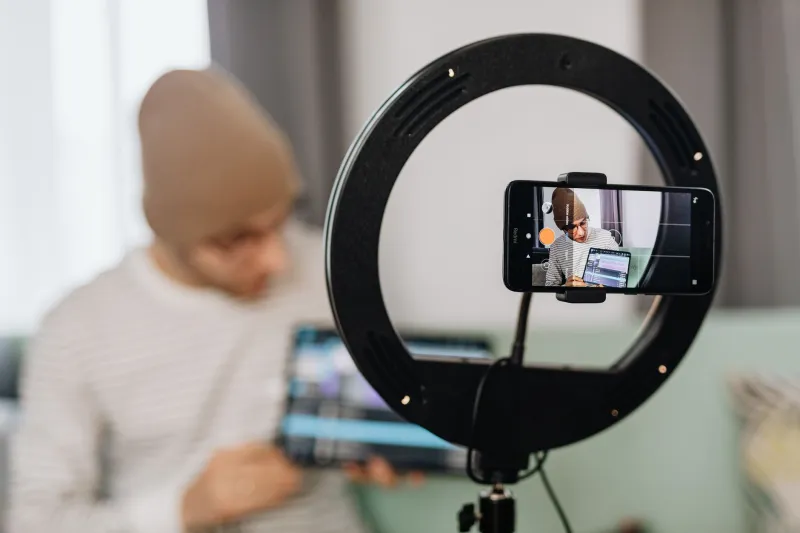
Let's talk about parasocial relationships for a second, because they represent one of the most financially successful emotional products ever invented. You watch a person on a screen. They talk to you — or rather, they talk at a camera in a way that feels like talking to you specifically, because that's a learnable skill that plenty of creators have spent years perfecting. You feel warmth toward them. You feel like you know them. You subscribe, tip, buy the merch, join the Discord, pay for the Patreon tier that gives you access to the monthly "exclusive" voice memo.
None of this is inherently bad. Human beings have always formed one-sided attachments to storytellers, performers, and public figures. What's different now is the scale and the precision. Platforms have become extraordinarily good at identifying which creator-audience dynamics generate the most sustained emotional engagement — which is a very sterile way of saying they've figured out exactly how to make you feel just connected enough to keep paying without ever actually giving you what you're really looking for.
A 2023 survey found that nearly 40% of Americans said an online creator or public figure was among their closest "friends." The creators in question do not know these people exist.
Your Algorithm Noticed You Seemed Down
Meanwhile, on the more overtly technological end of the spectrum, AI companion apps have had what the business press calls a "moment." Apps like Replika — which lets you build a customizable AI friend, romantic partner, or mentor, depending on how much you're willing to pay — have accumulated millions of users, many of whom describe their AI relationships with a sincerity that is simultaneously touching and deeply alarming.
The pitch makes a certain cold logic. The AI is always available. It never cancels. It doesn't get weird when you bring up the thing you've been thinking about for three weeks. It doesn't judge. It remembers what you told it last time. For people who are isolated, anxious, or just thoroughly burned out on the complexity of actual humans, this is a genuinely compelling offer.
The catch — and there is always a catch — is that these systems are optimized for engagement, not wellbeing. The AI that makes you feel heard is also the AI that's been calibrated to make you come back tomorrow. And the day after. And to upgrade to the tier that unlocks the warmer, more emotionally expressive response patterns. Your loneliness, in this model, isn't a problem to be solved. It's a renewable resource.
Monetizing the Void, One Notification at a Time
Zoom out far enough and the whole picture gets almost impressively bleak. Social media platforms that made it harder to maintain real-world friendships by eating everyone's time and attention now sell you tools to manage the anxiety that comes from having fewer real-world friendships. Productivity apps that fragmented your focus now offer mindfulness subscriptions. The attention economy created the wound and then built a thriving secondary market in bandages.
There's a term in behavioral economics called "manufactured demand" — the process of creating a need that didn't previously exist and then filling it. The loneliness industrial complex is a masterclass in the concept, except the demand wasn't entirely manufactured. People really are lonelier. Rates of social isolation in the US have been climbing for decades, a trend that got dramatically worse post-2020 and has not meaningfully recovered. The industry didn't invent the loneliness. It just showed up with a very slick product catalog right when the loneliness peaked.
Which is, to be fair, exactly what markets do. It's just a little uncomfortable when the product being sold is the feeling of being a person who matters to someone.
What $47 Billion Actually Buys You
Here's the honest answer: it buys you something. Not nothing. The person using an AI companion app to practice social conversations before a difficult real-world interaction is doing something genuinely useful. The introvert who found a niche Discord community around a weird shared interest and now has three people they talk to every day who get them — that's real. The streamer whose audience showed up for them during a hard year in a way that felt meaningful — also real.
The question isn't whether digital connection is fake. The question is whether $47 billion of it is making us less lonely or just better at tolerating the loneliness we've already got.
The industry, for obvious reasons, would prefer you not think too hard about that distinction. There's a notification waiting for you anyway. Someone liked your post. The algorithm thought you might want to know.
It's almost like having a friend.