I Got Paid to Exist in Public for Six Hours and Now I Have Questions About the Entire Economy
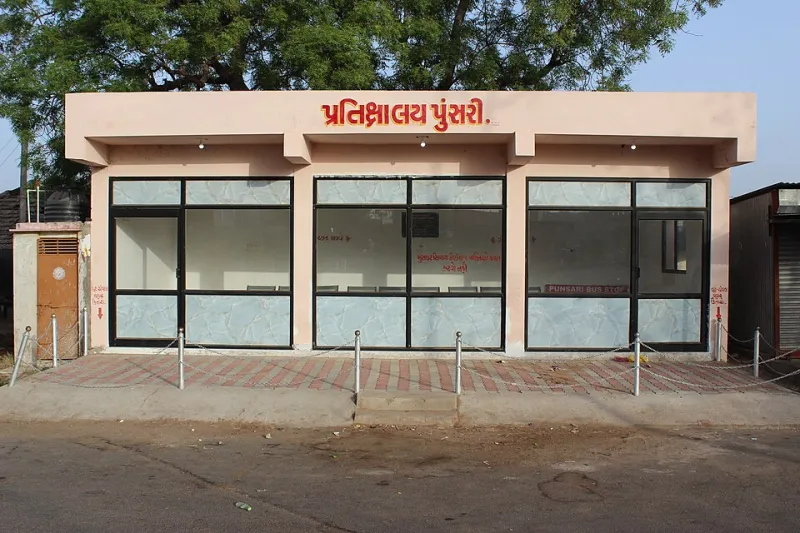
Photo: Snehrashmi, CC BY-SA 4.0, via Wikimedia Commons
Let me tell you about the strangest money I've ever earned: $22 an hour to stand on a sidewalk in Washington, D.C., holding a spot in a line for a congressional hearing that I had no personal interest in attending. My job description, as given to me by the line-standing company, was simply 'be here.' I was, technically, the product.
The Hidden Labor Market of Being Present
If you've never heard of professional line-standing, here's the gist: lobbying firms, legal teams, and Supreme Court obsessives hire people to wait in line for high-stakes public hearings, then swap in the paying client before the doors open. It's been an open secret in D.C. for years. What's newer — and weirder — is how far the 'presence economy' has expanded beyond the Capitol steps.
There are now people paid to hold parking spots in dense city neighborhoods. People paid to fill seats at restaurant openings so the place looks busy. People paid to attend weddings as professional guests, filling out the table count so the bride's aunt doesn't have to sit alone. There are even platforms where you can rent a person to stand outside your store for the illusion of a crowd. Presence, it turns out, is a commodity. And like every commodity, it now has a gig app.
My Weekend as a Rentable Human
So I tried it. I signed up, passed a background check that mostly seemed to verify I was a real person (ironic, given the job), and took three gigs in one weekend.
Gig one: line-standing, as described above. Six hours of standing. The client arrived ninety seconds before the doors opened, shook my hand, and vanished inside. I experienced what I can only describe as the professional version of being a coat check.
Gig two: holding a parking spot in Boston for a family attending a funeral. I stood in a space with my body for two hours, deflecting hostile drivers, feeling like the world's most defensive traffic cone. The family thanked me. Genuinely. It was, they said, one less thing to worry about on the worst day of their lives.
Gig three: a wedding. I was hired to be 'a friend of the couple from college.' I learned this is a real service category. I wore a navy suit, made small talk, and danced to 'Shout!' with a table of strangers who will never know my name. The couple knew. The couple had paid the going rate.
What It Means That Showing Up Is Now a Service
Here's where I'm supposed to write a hot take about how this is the end of civilization. But honestly? The gig itself was fine. The weird part is what it reveals underneath.
We've always outsourced labor we didn't want to do. Cleaning, driving, cooking — fine. But presence was supposed to be different. Presence was the thing that proved you cared. Your body in a seat was the whole point of a wedding, a funeral, a hearing, a protest. The moment 'being there' can be delegated, we've admitted something uncomfortable: that showing up was never really about showing up. It was about optics, headcounts, warm bodies, table math.
And yet — the funeral family's gratitude was real. The wedding couple's relief was real. For people drowning in obligations, renting presence isn't laziness. It's triage. They can't be in two places, so they put a body in one and their actual heart in the other.
The Philosophical Receipts
By Sunday night, I'd made $187 and developed a mild identity crisis. I had been, at various points, a placeholder, a parking cone, and a fictional college friend. Every gig was legitimate. Every gig felt faintly like a science fiction premise.
The line-standing industry in D.C. is professionalizing — some veterans of it have waited in line for weeks at a time and turned it into a genuine career with seniority and everything. The wedding-guest market is growing. The parking-spot holders of Boston have organized enough that the city has tried (and failed) to regulate them.
We built an economy where you can outsource your errands, your chores, your conversations, and now your attendance. The last frontier is obvious and slightly terrifying: someone, somewhere, is building the app where you outsource your memories of the event. Until then, I'll be on the sidewalk, being here, so you don't have to.
The $22 an hour, for the record, did not include sunscreen. Bring your own sunscreen.